
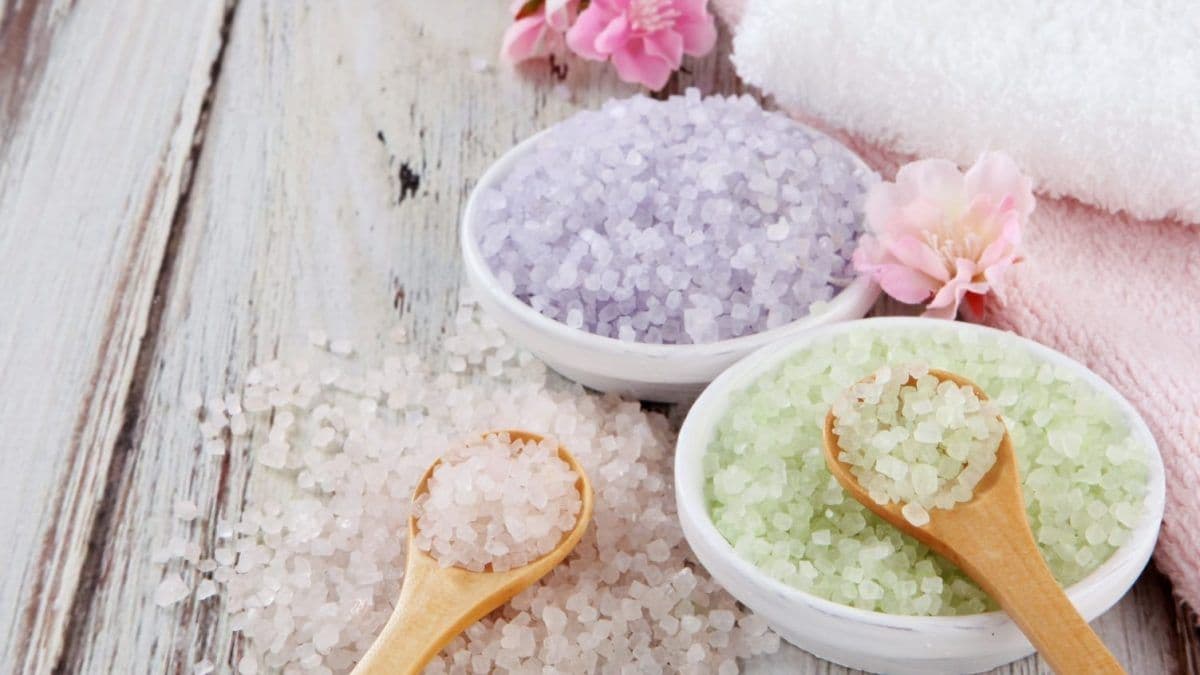
For centuries, people have soaked in Epsom salt baths to ease tired muscles, soothe aching joints, and find a moment of genuine calm. The tradition has good reason behind it — and today, with the rise of the walk in bath, easy access bath, and purpose-built mobility bath, older adults have access to a bathing experience that makes the most of everything Epsom salts have to offer, in a way that's safe, comfortable, and deeply restorative.
If you or someone you care for has been considering a walk-in bath or disabled bath, understanding the health benefits of Epsom salt soaks is one more compelling reason to make the change. This guide explains what Epsom salts actually do, why they're perfectly safe for use in modern gel coat and acrylic baths, and how features like spa jet systems can amplify every benefit.
What Are Epsom Salts and Why Do They Work?
Epsom salts are not table salt. They are magnesium sulphate — a naturally occurring mineral compound that dissolves readily in warm water. When you soak in an Epsom salt bath, your skin absorbs small amounts of magnesium, a mineral that plays a critical role in over 300 biochemical processes in the body, including muscle function, nerve signalling, and the regulation of inflammation.
Magnesium deficiency is surprisingly common in older adults. The body's ability to absorb magnesium from food decreases with age, and many common medications further deplete levels. Low magnesium is associated with increased muscle cramps, poor sleep, heightened anxiety, and greater sensitivity to pain. A warm Epsom salt soak in a walk in bath is a pleasant, non-invasive way to support magnesium levels while simultaneously enjoying the benefits of warm water immersion.
The Health Benefits — Especially for Older Adults
The combination of warm water and dissolved Epsom salts creates conditions that the body responds to in several positive ways — many of which are particularly valuable for people in their later years.
Relief from Joint Pain and Stiffness
Arthritis, rheumatism, and general joint stiffness affect a large proportion of older adults. Warm water alone helps — it promotes blood flow to stiff joints and allows muscles to relax. Add Epsom salts and the anti-inflammatory properties of magnesium sulphate work alongside the warmth, helping to reduce the swelling and discomfort that makes mornings and cold days so difficult. Many people who use a mobility bath or easy access bath as part of a regular self-care routine report significantly lower pain levels on days they bathe versus days they don't.
Better Sleep and Reduced Anxiety
Sleep disruption is one of the most common — and most damaging — challenges facing older adults. Magnesium plays a direct role in regulating melatonin, the hormone that governs your sleep cycle. An Epsom salt soak in the evening, in a comfortable walk-in bath or disabled bath, raises the body's core temperature and then allows it to fall as you get out — a process that signals the brain to begin the sleep cycle. Coupled with the relaxation response triggered by warm water immersion, this makes a pre-bedtime Epsom salt bath one of the most effective, drug-free sleep aids available.
Improved Circulation and Cardiovascular Health
Warm water causes blood vessels to dilate, improving circulation throughout the body. For older adults who may experience cold hands and feet, poor circulation in the lower legs, or conditions related to reduced blood flow, the circulatory boost from a warm soak in a walk in bath is measurable and meaningful. Regular warm baths have been associated with reduced blood pressure and improved cardiovascular function in several large studies — benefits that go well beyond simple relaxation.
Muscle Recovery and Reduced Cramping
Leg cramps and muscle spasms are a particular misery for many older people, often striking at night and severely disrupting sleep. Magnesium is a natural muscle relaxant, and soaking in an Epsom salt bath regularly has been shown to reduce both the frequency and severity of cramps. For anyone using a walk-in bath or easy access bath for daily hygiene, adding Epsom salts costs almost nothing and adds considerable therapeutic value.
Are Epsom Salts Safe for Walk In Bath Surfaces?
This is one of the most common questions people ask — and the reassuring answer is yes, when you use a quality modern bath. There was a time when some bath salts and mineral additives could potentially dull or damage older bath surfaces, particularly low-grade acrylic or poorly finished gel coat. Modern manufacturing has changed this picture significantly.
Today's walk in baths, mobility baths, and easy access baths are manufactured to much higher standards. Premium acrylic is thicker, reinforced, and sealed to a hardness that resists both chemical interaction and surface abrasion. Modern gel coat finishes are similarly robust — applied and cured using processes that produce a dense, non-porous surface that Epsom salts simply dissolve into without any adverse reaction. The magnesium sulphate in Epsom salts is, chemically, quite gentle — far less aggressive than many commercial bath cleaners.
The key is using pharmaceutical-grade Epsom salts without added dyes, synthetic fragrances, or oils, and rinsing the bath surface thoroughly after use. As long as those two conditions are met, Epsom salts are entirely compatible with the acrylic and gel coat surfaces used in quality walk-in baths and disabled baths.
Epsom Salts and Spa Systems: A Powerful Combination
Many modern walk in baths are available with spa jet systems — either hydrotherapy water jets, air spa systems that create thousands of fine bubbles, or a combination of both. When used with Epsom salts, these systems amplify the therapeutic benefits considerably.
Air spa systems are particularly well-suited to Epsom salt use. Because they circulate air rather than water through the jet system, they carry no risk of drawing dissolved salts into the pump mechanism. The result is a bath that feels like a gentle, enveloping effervescence — millions of fine bubbles pressing lightly against the skin, enhancing absorption of the dissolved magnesium, stimulating circulation, and delivering a sensation of warmth and relaxation that is difficult to describe but unmistakeable when you experience it.
For older adults using a mobility bath or walk-in bath for pain management, this combination — Epsom salts, warm water, and air spa — can genuinely rival professional hydrotherapy treatments, and it's available in your own bathroom, every day, at a fraction of the cost.
If your walk in bath features water jets rather than air, check with your manufacturer about Epsom salt compatibility with the specific pump and pipework used. Most modern systems handle dissolved Epsom salts without issue — particularly if you flush the system with clean water after use — but it is always worth confirming this for your specific model.
How to Use Epsom Salts in Your Walk In Bath
Getting the most from an Epsom salt soak is straightforward. Fill your walk in bath or easy access bath with comfortably warm water — not scalding, which can be taxing on the cardiovascular system, particularly for older adults. Aim for around 37–40°C, which is close to body temperature and feels genuinely relaxing without putting excess strain on the heart.
- Add two cups (approximately 500g) of pharmaceutical-grade Epsom salts as the bath fills, allowing them to dissolve fully before entering.
- Soak for 20–30 minutes to allow adequate time for magnesium absorption and the full relaxation response to develop.
- Drink a glass of water before and after — warm water baths can cause mild dehydration, and staying hydrated enhances the benefits.
- Rinse the bath surface with clean water after draining to keep your disabled bath or walk-in bath surface in excellent condition.
- Two to three Epsom salt baths per week is a sensible routine for most people — enough to deliver consistent therapeutic benefit without overuse.
The Walk In Bath: Making Therapeutic Bathing Accessible
None of these benefits matter if getting into and out of the bath is an ordeal. For older adults, the standard over-the-rim climb of a conventional bath presents a genuine fall risk — and the anxiety around that risk is enough to put many people off bathing altogether. A walk in bath, easy access bath, or mobility bath removes that barrier entirely.
With a low-threshold door, a supportive contoured seat, and non-slip flooring, a walk-in bath or disabled bath turns a potentially hazardous activity into something safe, dignified, and genuinely pleasurable. Add Epsom salts to the picture and you're not just bathing safely — you're actively investing in your health, your sleep, your pain levels, and your sense of wellbeing.
At Odyssey Baths, our walk in baths are designed to make this kind of therapeutic, restorative bathing part of everyday life. If you'd like to find out which model would suit your needs — including whether an air spa system is the right choice for your Epsom salt routine — get in touch with our team for a friendly, no-pressure conversation, or request a brochure to explore the full range.
Written by Odyssey Experts
Our advice is based on years of experience helping UK families find safe bathing solutions. We ensure all our guides align with current UK regulations and industry best practices.