
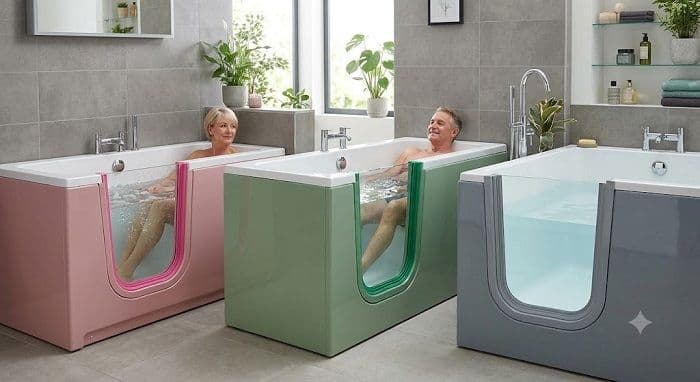
Bathing should be relaxing, not something you worry about. For anyone with limited mobility, older adults, or simply those who want a safer, more comfortable bathroom, a walk-in bath is one of the most practical upgrades you can make to a home. But there's one question almost every customer asks before buying: how does a door built into the side of a bathtub actually stay watertight, especially with the water pressing against it from inside?
It's a fair question — and the answer comes down to smart engineering rather than anything exotic.
Why the Seal Matters
A walk-in bath replaces the high step-over side of a traditional tub with a low-threshold door, which is what removes the slip and fall risk in the first place. That door has to do a lot of work: it needs to seal reliably through thousands of open-close cycles, handle sudden shifts between hot and cold water, resist mould and mildew, and absorb small manufacturing tolerances without ever letting water through.
At Odyssey Baths, every model we install is built around a sealing system designed specifically to meet those demands, rather than adapting a generic rubber gasket to the job.
The Physics Behind the Seal
There's no pump or electronic mechanism involved. When you close the door, the locking mechanism compresses a rubber gasket evenly around the frame, forming a continuous seal. The clever part happens once the water starts filling the tub.
As water rises, it creates hydrostatic pressure — and because the door opens inward on most models, that pressure pushes the door further into the seal rather than away from it. In practice, that means the seal only gets tighter the fuller the tub gets, which is the opposite of what most people assume when they first hear the design.
What the Seal Is Made Of
Cheaper rubber compounds crack, warp, or lose elasticity when exposed daily to hot water and cleaning products. That's why quality manufacturers use one of two materials:
- EPDM rubber — highly resistant to heat and UV, and able to hold its elasticity for decades of daily use.
- Medical-grade silicone — used on premium models for its resistance to limescale and moisture, and its ability to mould tightly against the door frame.
Odyssey Baths units use these same industrial-grade materials, tested to hold up over the long lifespan of the tub rather than the first year or two.
Backup Seals and the Lock
Better-built tubs don't rely on a single gasket. A primary seal, a secondary backup seal, and internal drainage channels work together — so if any moisture gets past the first barrier, it's caught and drained back into the tub rather than reaching your floor.
None of that matters, though, if the lock doesn't apply even pressure. A door that closes slightly off-angle wears the seal unevenly over time, which is why the latch mechanism matters just as much as the gasket itself.
Tested Before It Reaches You
Every seal design goes through tens of thousands of open-close cycles in testing, along with pressure and temperature extremes, before it's approved for production. To keep it performing that well at home:
- Wipe the seal dry after each bath
- Skip abrasive brushes or harsh chemicals on the gasket
- Leave the door slightly unlatched when not in use, so the rubber isn't permanently compressed
- Check the tracks occasionally for hair or debris
The Bottom Line
The door seal is the part of a walk-in bath doing the most unglamorous, essential work — and it's engineered to get more effective the moment you actually need it to hold. If you're weighing up whether a walk-in bath is right for your home, get in touch with Odyssey Baths for a no-obligation quote, or browse our range of walk-in tubs to see the sealing systems in person.
Written by Odyssey Experts
Our advice is based on years of experience helping UK families find safe bathing solutions. We ensure all our guides align with current UK regulations and industry best practices.